




What happens underground determines everything above it

Lane
End-to-end
Model

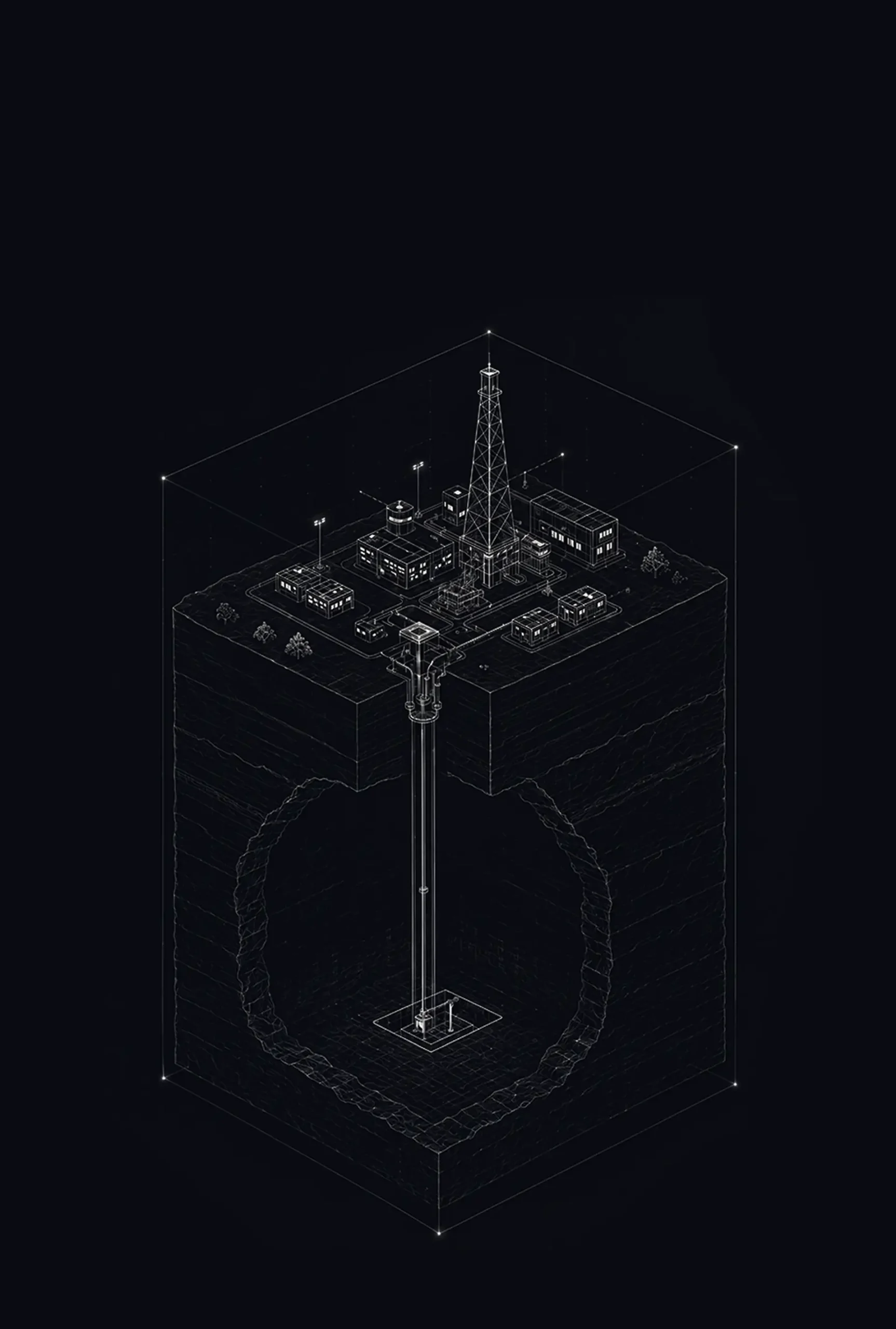
Most firms that appear on an underground storage shortlist treat the subsurface as one scope among many. Lane is built specifically for projects where the geology is the defining variable, and decisions made underground determine what is possible above it. That specialization shows up in three ways that directly affect project outcomes.

Why Lane?

Subsurface-to-surface integration

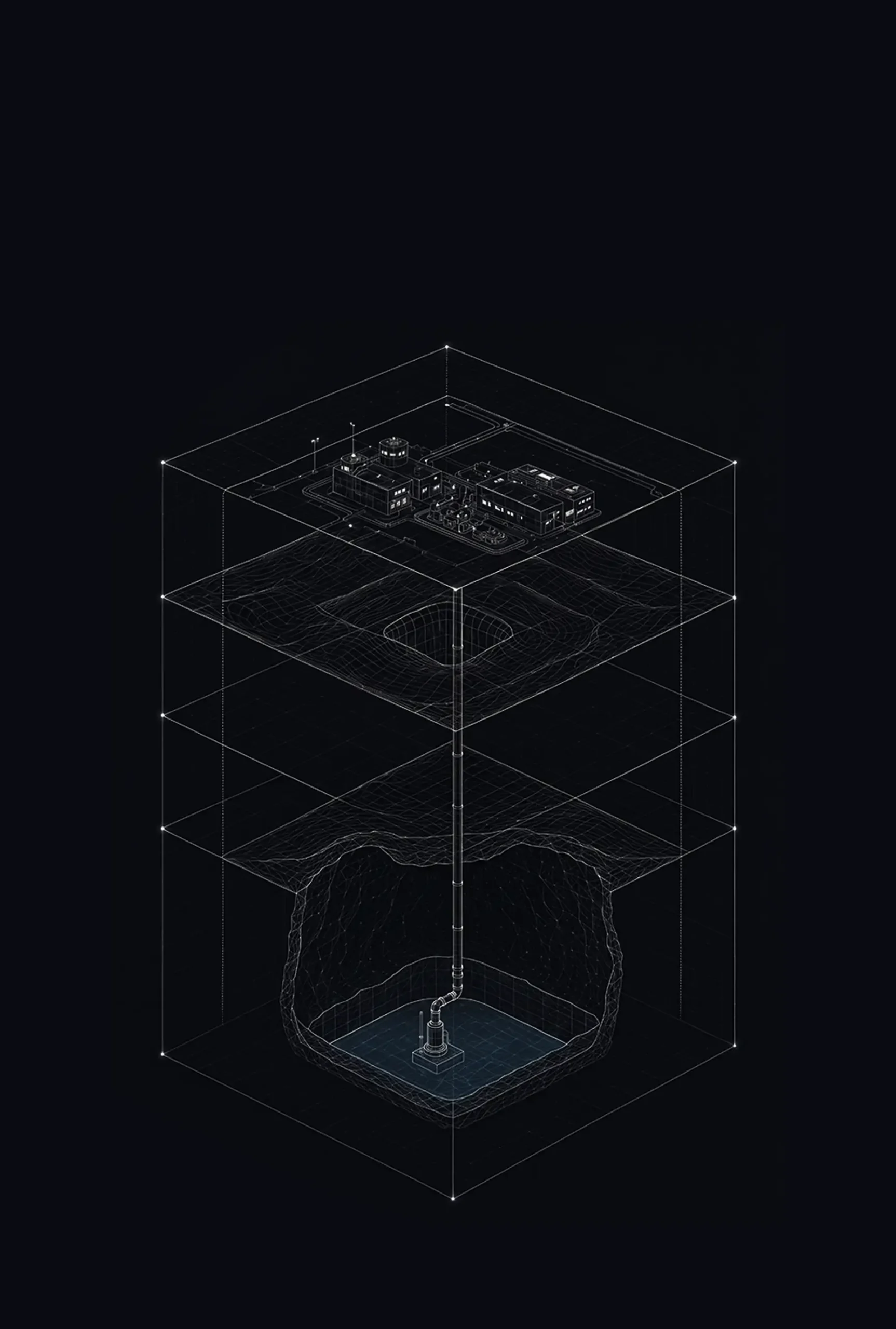
Lane connects the underground asset to what the project must do aboveground: operations, interfaces, acceptance criteria, and delivery.

Early definition that prevents late redesign

Lane is strongest early, when projects are still moldable: screening through pre-FEED and FEED.

GC/CM or specialist partner that fits the delivery model

Lane can lead or plug in, depending on the owner’s scope or needs and how the team is structured.

Subsurface-to-surface integration

Lane connects the underground asset to what the project must do aboveground: operations, interfaces, acceptance criteria, and delivery.

Lane is strongest early, when projects are still moldable: screening through pre-FEED and FEED.

Lane can lead or plug in, depending on the owner’s scope or needs and how the team is structured.

Capabilities

Lane’s services follow the natural progression of an underground storage project from the first technical decisions through construction and into long-term operations. The screening phase establishes the foundation before capital is committed. The FEED phase keeps subsurface and surface systems aligned as design advances. The execution phase delivers the project under one accountable team. Lane can engage across all three or at any single point where specialist input is needed.

Phase 01
Phase 02
Phase 03
Phase 01

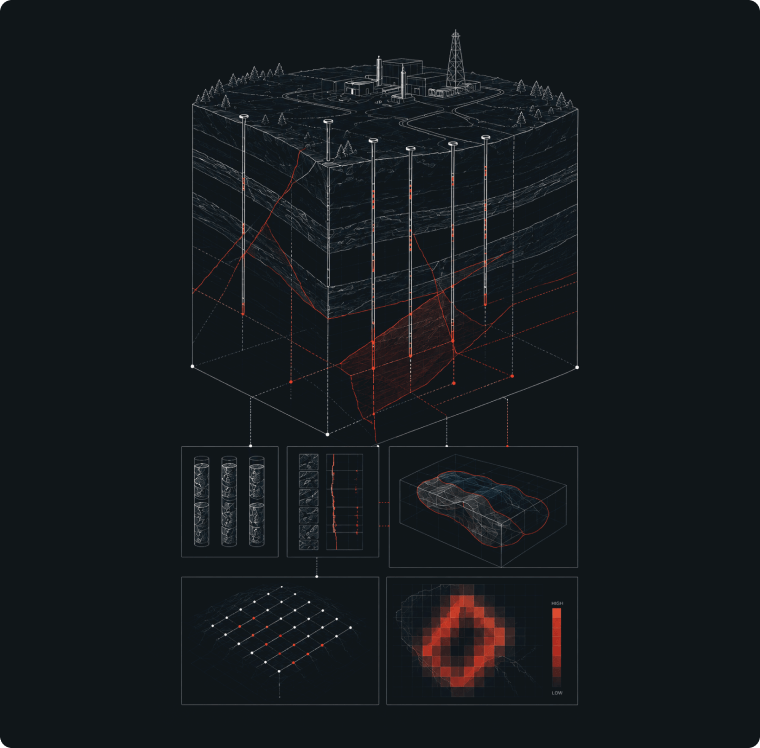
Screening: Early Definition & Advisory

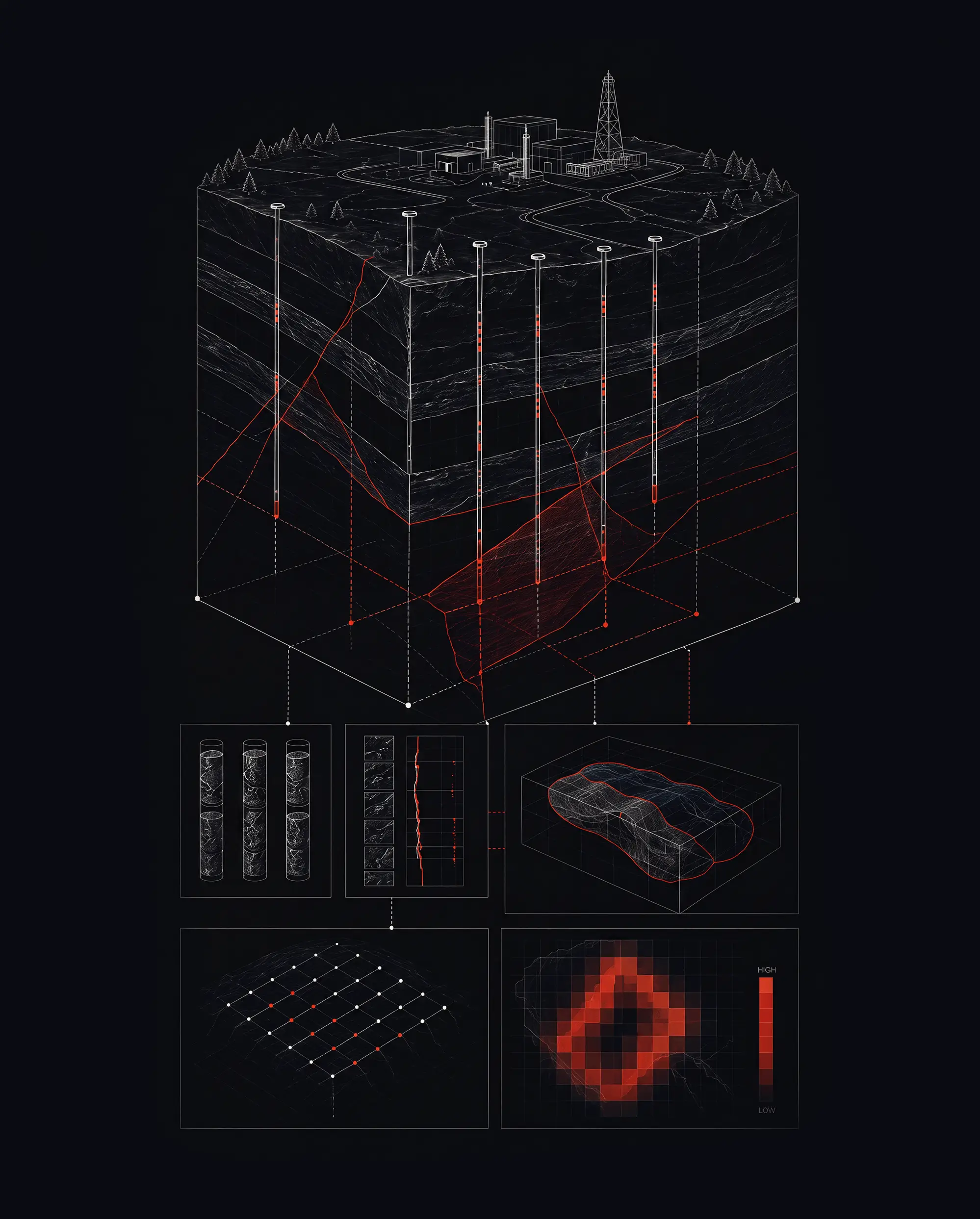
Lane structures the investigation program to answer the right geotechnical questions before the next capital commitment, producing a technically defensible basis of design, a risk register tied to decision gates, and an operating envelope grounded in what the geology can support.

Scope
01
Feasibility and concept development for underground storage caverns
02
Basis of design, acceptance criteria, and technical requirements
03
Subsurface investigations and risk retirement planning
04
Regulatory permitting support and agency engagement
Phase 02

FEED: Engineering & Technical Delivery

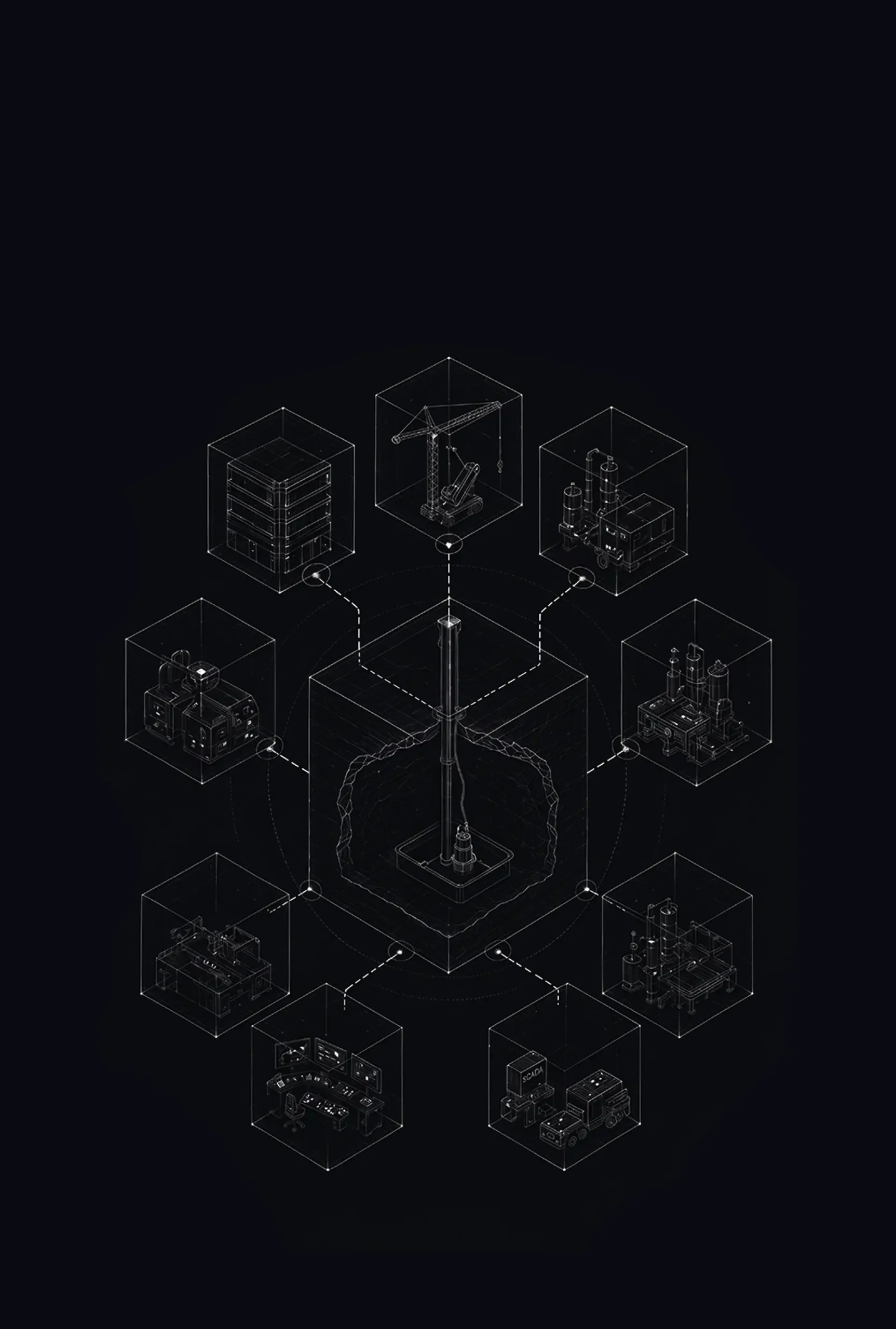
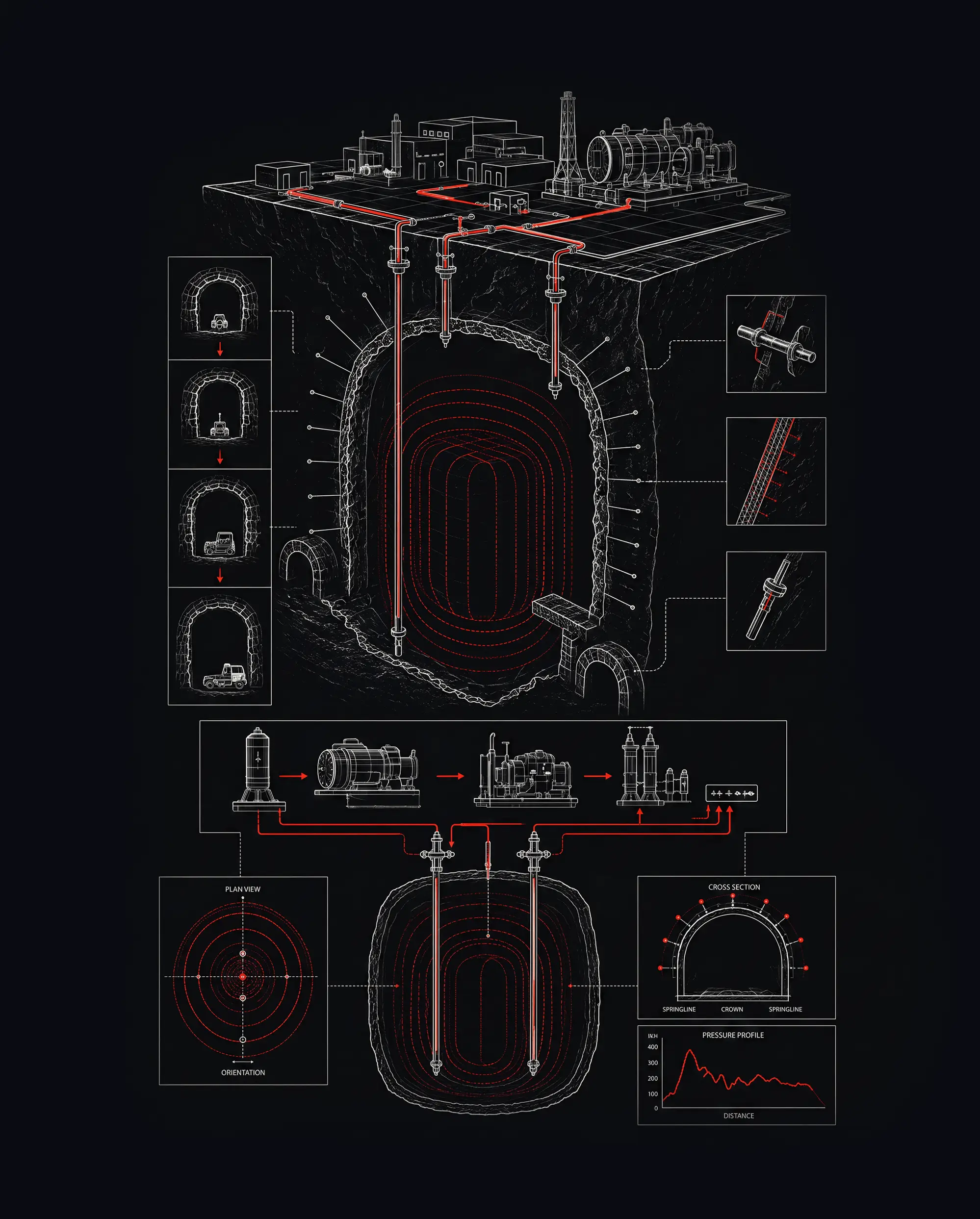
Excavation sequencing, ground support philosophy, and cavern operating pressure directly constrain compression equipment, wellhead configuration, and process controls. Lane provides the underground engineering input that keeps those interfaces resolved throughout FEED, so the deliverables contractors receive reflect accurate ground behavior rather than assumptions built in to be priced around later.

Scope
01
Rock mechanics and underground engineering support
02
Subsurface-to-surface integration and interface control
03
Constructability review and excavation strategy
04
Independent technical review and peer review
Phase 03

Execution: Project Delivery & Construction Management

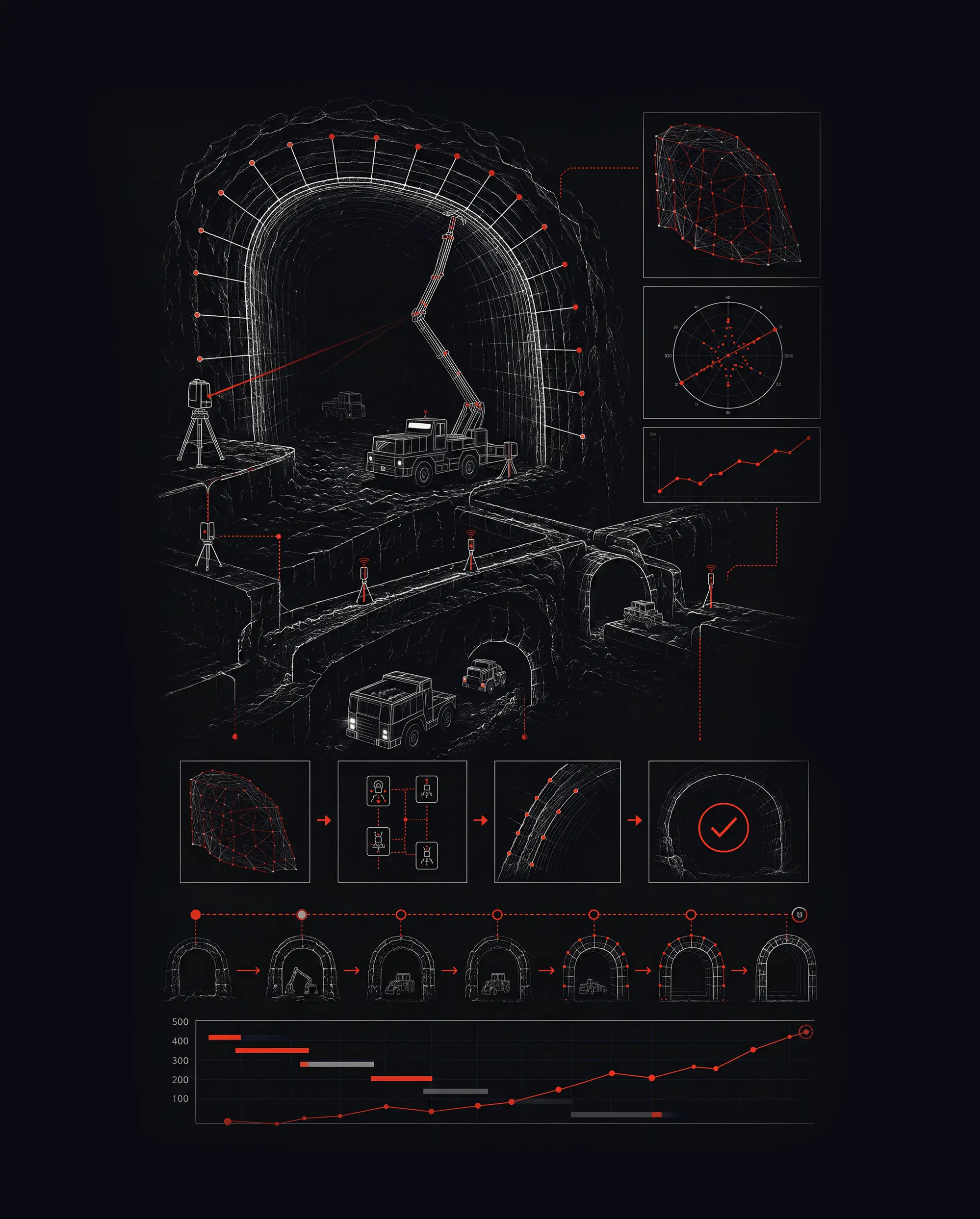
RFIs on excavation sequencing and ground support modifications compound quickly when the technical decision-making is slow. Lane manages the underground scope as the accountable delivery lead, resolving field conditions with the same engineering depth that defined the project at screening.

Scope
01
Subsurface energy infrastructure and storage
02
Project delivery and lifecycle support
03
Federal underground programs, including Strategic Petroleum Reserve support
04
Execution-phase technical support
05
Operations support, asset upgrades, and lifecycle management for existing cavern assets
Phase 01

Screening: Early Definition & Advisory

Lane structures the investigation program to answer the right geotechnical questions before the next capital commitment, producing a technically defensible basis of design, a risk register tied to decision gates, and an operating envelope grounded in what the geology can support.

Scope

01

Feasibility and concept development for underground storage caverns

02

Basis of design, acceptance criteria, and technical requirements

03

Subsurface investigations and risk retirement planning

04

Regulatory permitting support and agency engagement
Phase 02

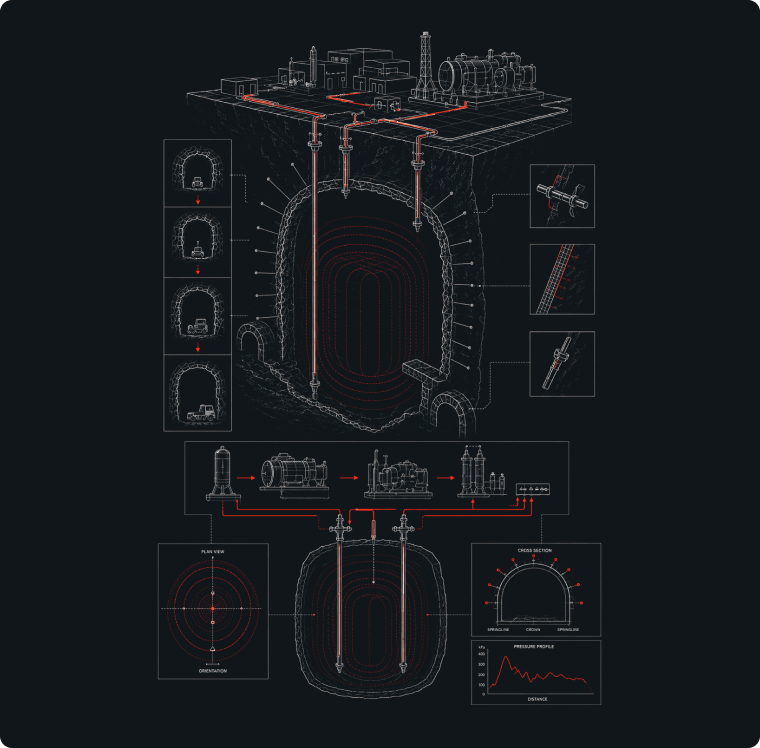
FEED: Engineering & Technical Delivery

Excavation sequencing, ground support philosophy, and cavern operating pressure directly constrain compression equipment, wellhead configuration, and process controls. Lane provides the underground engineering input that keeps those interfaces resolved throughout FEED, so the deliverables contractors receive reflect accurate ground behavior rather than assumptions built in to be priced around later.

Scope

01

Rock mechanics and underground engineering support

02

Basis of design, acceptance criteria, and technical requirements

03

Subsurface investigations and risk retirement planning

04

Regulatory permitting support and agency engagement
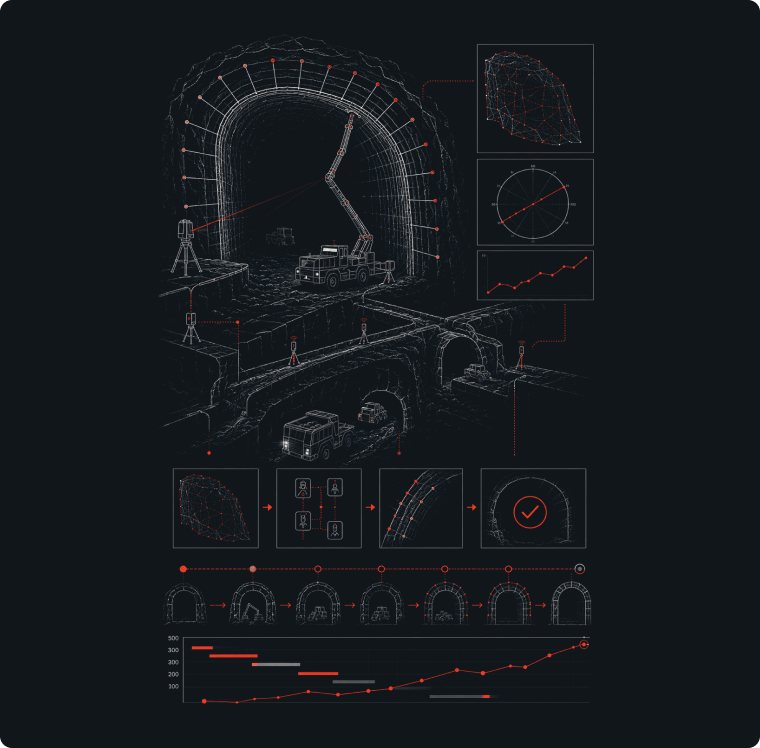
Phase 03

Execution: Project Delivery & Construction Management

RFIs on excavation sequencing and ground support modifications compound quickly when the technical decision-making is slow. Lane manages the underground scope as the accountable delivery lead, resolving field conditions with the same engineering depth that defined the project at screening.

Scope

01

Subsurface energy infrastructure and storage

02

Project delivery and lifecycle support

03

Federal underground programs, including Strategic Petroleum Reserve support

04

Execution-phase technical support

05

Operations support, asset upgrades, and lifecycle management for existing cavern assets